
Virtually every online user has encountered the offer: “Use a temporary disposable email to avoid spam and unwanted contact!” With privacy concerns and cyber threats growing in 2025, the question becomes critical—are temporary emails really safe?
This guide provides a comprehensive analysis, untangling temp mail security, core risks, safety tips, and the latest privacy strategies. We’ll explain how disposable email addresses work, showcase real vulnerabilities, and help you choose secure providers for hassle-free, anonymous usage.
Table of Contents
- What Are Temporary Emails?
- Security Features of Temp Mail Services
- Core Risks and Limitations
- Real-World Threats: Exploits and Use Cases
- Recommended Privacy Practices (2025)
- Provider Safety Comparison Table
- Are Disposable Emails Legal?
- How to Choose a Safe Temp Mail Service
- Future Trends in Temp Mail Security
- Summary
- FAQ
📧 What Are Temporary Emails? {#what-are-temporary-emails}
A temporary email address (also called disposable or burner email) is a short-term, automatically generated inbox. It’s typically used for:
- One-click website registrations
- Gated content downloads
- Anonymous forum posting
- App testing or QA flows
Most services require no signup and automatically delete accounts after minutes or hours. They’re designed for convenience, privacy, and spam prevention.

🛡️ Security Features of Temp Mail Services {#security-features-of-temp-mail-services}
Most major temp mail platforms (TempMail, NowTempMail.com, GuerrillaMail, Mailinator) offer basic security layers:
- Accountless access: No personal information or password required.
- Auto-expiry: Inboxes and their contents are deleted after a set timer.
- Random address generation: Difficult for trackers to link temp addresses to individuals.
- SSL encryption: Data transferred from web client to server is encrypted.
- Public/private inbox option: Some allow restricting access with tokens or links.
However, not all services provide end-to-end encryption, data retention controls, or active security monitoring. Always check the provider’s privacy policy and tech specs.
⚠️ Core Risks and Limitations {#core-risks-and-limitations}
Despite their convenience, disposable emails have notable risks you must understand:
- Public inboxes: Many temp mail services allow anyone with the email URL to view messages.
- No access recovery: Once the timer expires, all messages are lost forever. There’s no “forgot password” recovery on temp emails.
- Service blocks: Some websites block known temp mail domains, requiring real emails for signup.
- Unencrypted storage: Unless specifically encrypted, messages exist in plaintext—vulnerable to snooping.
- Phishing/impersonation: Hackers may use temp mail for malicious registration and social engineering.
Risk Table
| Risk | Explanation |
|---|---|
| Public inbox visibility | Anyone with URL may see your messages |
| Message expiry | Loss of access, no recovery |
| Domain blocklisting | Some sites prevent temp mail signups |
| Weak encryption | Vulnerable if SSL or advanced encryption isn’t provided |
| Fake sender impersonation | Attackers may pose as real users or companies |
🚨 Real-World Threats: Exploits and Use Cases {#real-world-threats-exploits-and-use-cases}
1. Public Inbox Snooping 👀
If a provider doesn’t secure the inbox, anyone with the URL can read incoming mail—sometimes including sensitive tokens or credentials.
2. Temporary Registration Abuse
Attackers may use disposable emails to register fake accounts, participate in raids, or bypass platform controls.
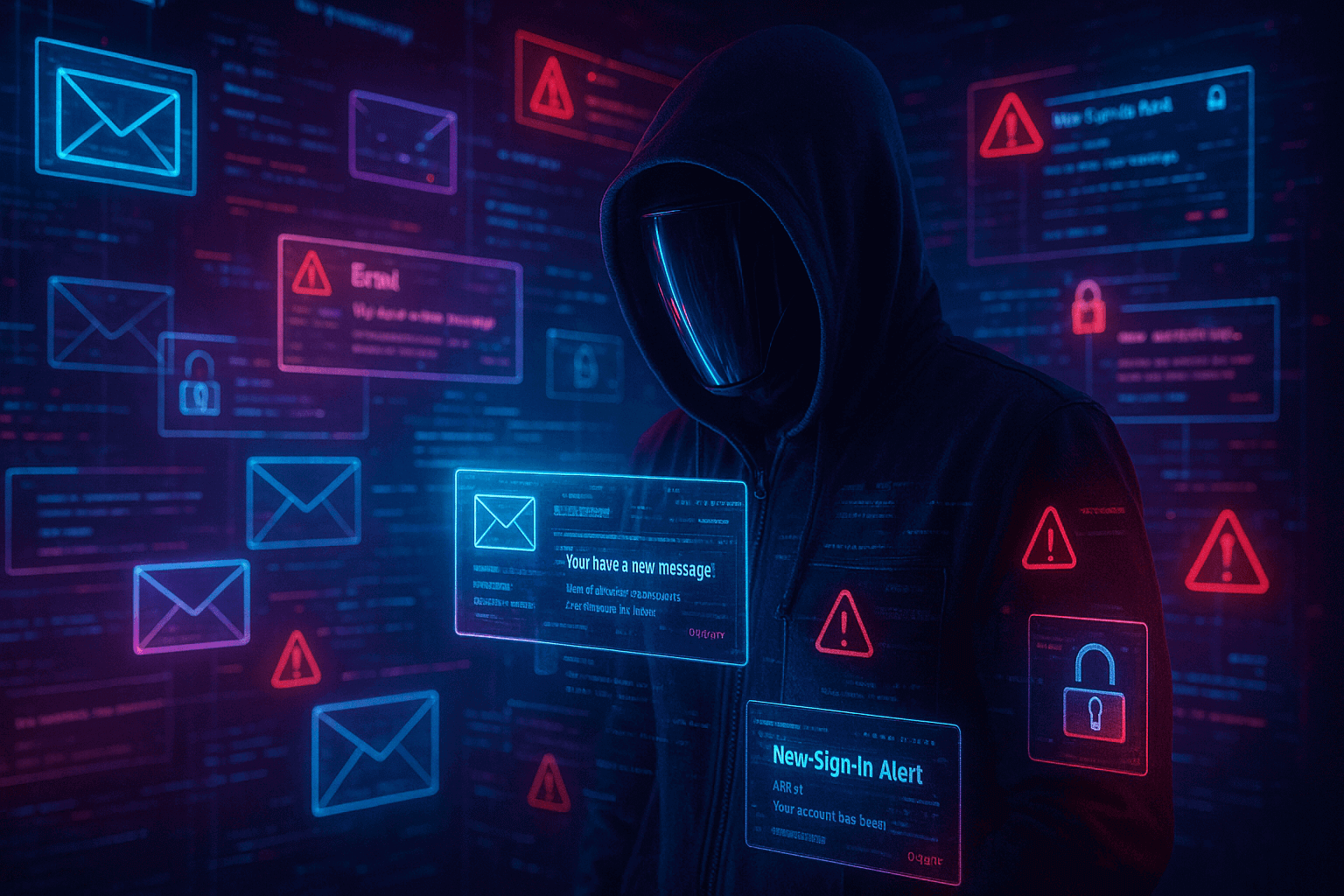
3. Phishing and Fraud
The anonymity of temp mail appeals to scammers, who often create burner emails to entice victims or evade detection.
4. Password Reset and Token Risks
If you sign up for a service and later rely on a temp email for password resets, you risk permanent lockout if the inbox has expired—or if someone else claims the address.
🔐 Recommended Privacy Practices (2025) {#recommended-privacy-practices-2025}
- Never use temp mail for critical accounts (banking, government, medical). 🏦
- Choose providers with encryption, non-public inboxes, and strict privacy policies.
- Clear cookies and browser cache after using temp mail services.
- Do not reuse temp addresses for long-term or repeated registrations.
- Prefer providers offering API access with security controls for automation.
- If in doubt, opt for private mode/inbox or additional OTP-based verification when possible.
📊 Provider Safety Comparison Table
| Provider | End-to-End Encryption | User-Generated Addresses | Public Inbox | API Available | Privacy Policy Strength | Domain Blocked Frequently |
|---|---|---|---|---|---|---|
| TempMail | No | No | Yes | Yes | Medium | High |
| GuerrillaMail | No | Yes | Yes | Yes | Medium | Medium |
| Mailinator | No | No | Yes | Yes | Medium | High |
| 10MinuteMail | SSL only | No | No | No | Medium | Medium |
| NowTempMail.com | Yes | Yes | No | Yes | Strong (no tracking) | Low |
⚖️ Are Disposable Emails Legal?
Yes ✅—using temp emails is legal in nearly every country, provided you do not exploit them for fraud, spam, or policy violations. Some platforms restrict use for account recovery, newsletter subscriptions, or civic participation, but the services themselves are lawful.
Always comply with platform terms of service when using disposable inboxes.
✅ How to Choose a Safe Temp Mail Service
- Review the privacy policy for strict data retention and no tracking. 📋
- Prefer providers with SSL encryption, end-to-end encrypted inboxes, and private mode options.
- Check if public inboxes are disabled or require access tokens.
- Search for user reviews on security reputation and domain acceptance.
- Ensure the service doesn’t retain or share incoming mail data with third parties.
🚀 Future Trends in Temp Mail Security
- Broader adoption of end-to-end encryption for temporary emails. 🔒
- Integration with password managers and browser extensions for safer autofill and account protection.
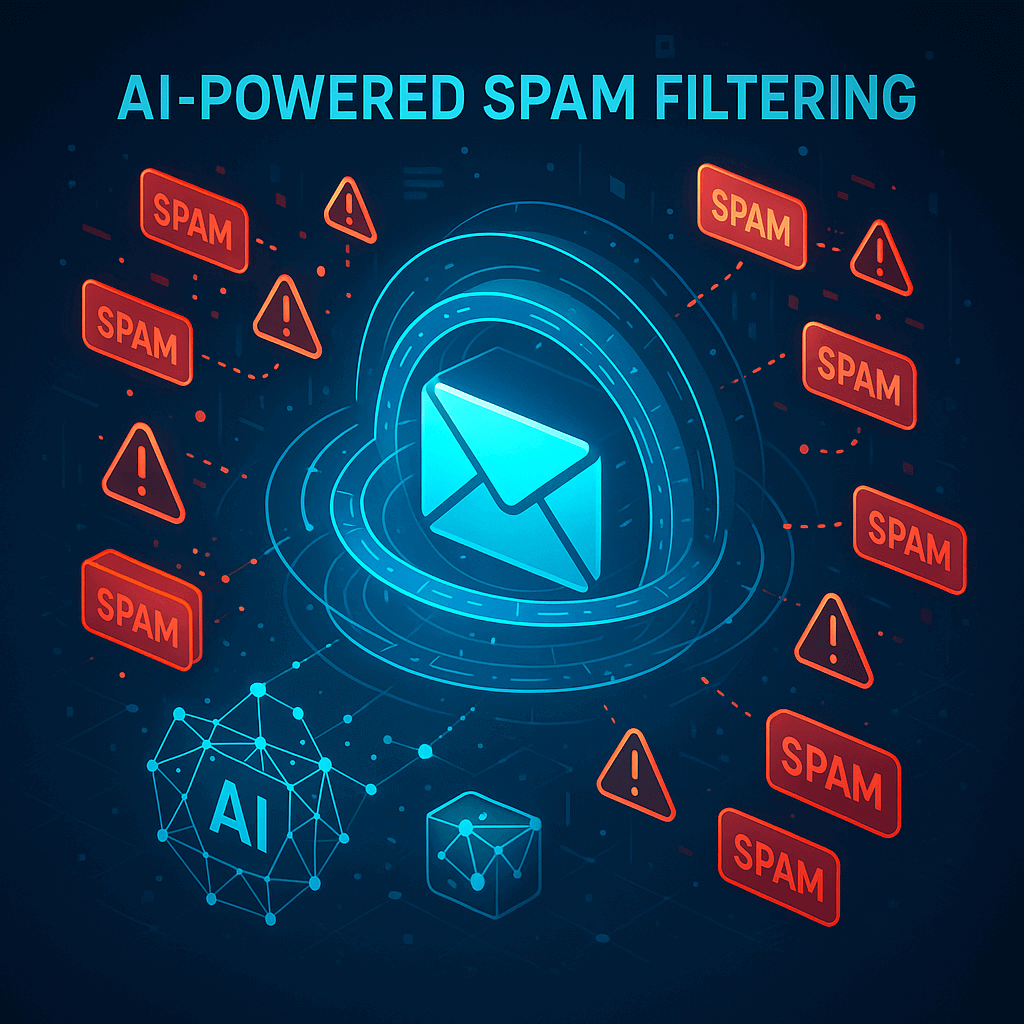
- AI-based spam blocking and phishing detection for inboxes.
- Compliance with global privacy frameworks (GDPR, India’s DPDP Act, CCPA).
📝 Summary
Temporary emails are convenient, flexible, and privacy-boosting—but only as safe as the service provider and your cautious usage. ✨ Choose platforms with robust privacy policies, encrypted inboxes, and non-public message access for best results. Never use disposable emails for critical accounts or sensitive communications.
NowTempMail.com is built with a strict security-first approach:
- ✅ Privacy First
- ✅ Zero user tracking
- ✅ Transparent privacy commitments
If you care about real privacy—not just convenience—trust your throwaway inbox to providers who are always one step ahead.
❓ FAQ
Q: Are temporary emails safe to use for signing up on sites? 🤔 A: Yes, for low-risk purposes like newsletter signups, downloads, or test accounts. Avoid using disposable emails for any long-term or sensitive registration.
Q: Can someone else access my temporary inbox? 🔓 A: Yes, if the service has a public inbox system. Always prefer providers with private addresses or access token options.
Q: Is my data encrypted with temp mail services? 🔐 A: Only if the provider supports SSL/encryption—and ideally, end-to-end encryption. Always check before use.
Q: Can I recover messages after my temp email expires? ⏰ A: No. Once expired, all data is deleted and cannot be retrieved.
For industry-leading privacy guides, visit NowTempMail.com’s Temporary Email Security Hub or check our Privacy FAQ for further details.